I’ve been making this cranberry bread for years now. Every single time, people ask for the recipe.
The combination? Tart cranberries meet bright, zesty orange. It’s magic in a loaf pan.
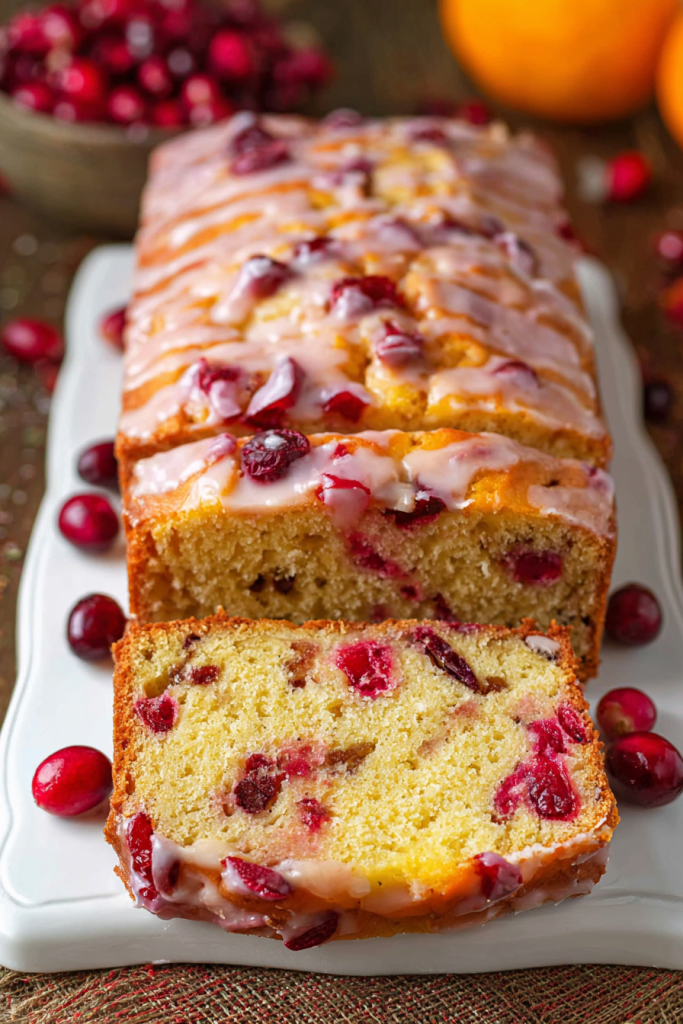
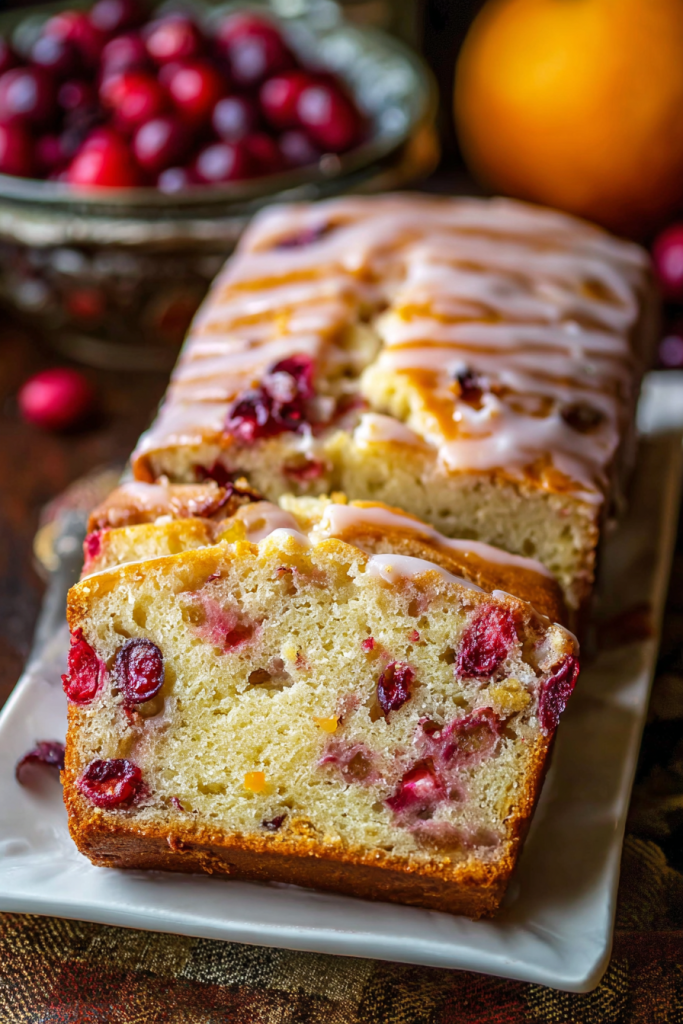
When you slice into it, you’ll see a tender crumb studded with ruby-red berries. Then comes that sweet citrus glaze on top. Perfect doesn’t even cover it.
Here’s what makes this bread special:
- Sweet and tangy in perfect balance
- Cranberries burst with tartness in every bite
- Orange glaze adds that aromatic, sweet finish
I serve it for breakfast with my morning coffee. Sometimes as an afternoon snack with tea. Honestly? I’ve eaten it straight from the cooling rack at midnight. No judgment.
The best part? This recipe comes together fast.
You probably have most ingredients in your pantry right now. No fancy equipment either. Just a mixing bowl, a whisk, and your loaf pan. Within an hour, your whole kitchen will smell like the holidays.
The Secret That Makes This Recipe Work
I’ve tested this recipe more times than I can count. Failed batches. Sunken berries. Dense texture. Been there.
Then I figured out the trick.
Coat the cranberries in flour before folding them in. That’s it. This simple step keeps them suspended throughout the bread instead of all sinking to the bottom like tiny red anchors.
The result?
Every single slice has an even distribution of those gorgeous berries. No more “berry-free zone” at the top.
The orange zest gets divided strategically too. Most goes into the bread batter for flavor throughout. A small amount is reserved for the glaze. This creates layers of citrus notes that make the cranberries shine.
What You’ll Need (And Why It Matters)
Let me walk you through the ingredients. Understanding the “why” makes you a better baker.
| Ingredient | Quantity | Notes |
|---|---|---|
| All-purpose flour | 1½ cups + ½ Tbsp | Provides structure; extra ½ Tbsp for coating berries |
| Baking powder | 1 tsp | Creates lift and tender texture |
| Salt | ¼ tsp | Enhances flavors |
| Milk | ¼ cup | Use room temperature for better mixing |
| Orange (large) | 1 whole | For both zest and juice |
| Orange juice | ¼ cup | Freshly squeezed adds brightness |
| Unsalted butter | 6 Tbsp | Must be softened to room temperature |
| Granulated sugar | ¾ cup | Balances the tart cranberries |
| Large eggs | 2 | Room temperature eggs incorporate better |
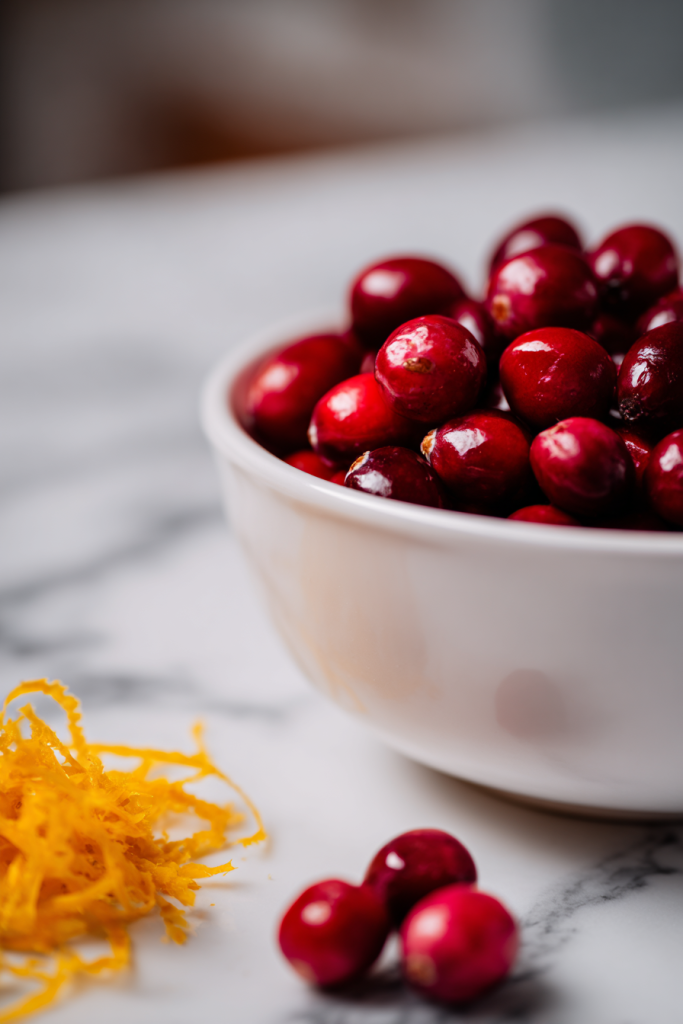
| Fresh cranberries | 1½ cups | Rinsed and thoroughly dried |
| Powdered sugar | 1 cup | For the smooth glaze |
| Orange juice (glaze) | 1½ Tbsp | Adjust for desired consistency |
| Orange zest (glaze) | 1 tsp | Reserved from the orange above |
Flour: Your foundation. All-purpose gives you that classic quick bread texture we all love.
Baking powder: This is what makes your bread rise. It creates those air pockets that make each bite light and tender instead of dense and heavy.
Butter: I always use unsalted. Why? So I control the salt level myself.
Make sure it’s softened but not melted. Here’s the test: press your finger into it. It should hold the fingerprint. Too hard? Not ready. Melted? You’ve gone too far.
Eggs: Room temperature is key here. They blend so much more smoothly into your batter.
Forgot to take them out early? No problem. Place them in a bowl of warm water for five minutes. Works like a charm.
Cranberries: Fresh cranberries are my first choice, hands down.
Look for ones that are firm and bright red. Avoid any that feel soft or look shriveled – those are past their prime.
Using frozen? Add them straight from the freezer. Don’t thaw them. Just expect to add a few extra minutes to your bake time.
Orange: You’ll need one large orange for both zest and juice.
Pro tip: Zest it before you juice it. Trust me on this. Trying to zest a juiced orange is like trying to butter toast with a spoon. Technically possible, but why make life harder?
Use a microplane or fine grater for the zest.
The glaze is ridiculously simple but transforms the bread. Just three ingredients create that beautiful, glossy finish. The orange zest in the glaze? It amplifies the citrus flavor and makes every bite more vibrant.
Let’s Make This Bread
Now for the fun part. Actually making this delicious bread.
I’ve broken down each step. Follow along and you’ll be fine.
Getting Set Up
First: preheat your oven to 350°F.
This ensures even baking from the start. While it heats up, prep your loaf pan. I use an 8½ x 4½-inch pan.
Butter it generously. Like, really generously. Then dust with flour. Tap out any excess – you want just a light coating, not a flour avalanche.
Building Your Foundation
Grab a medium bowl.
Whisk together your dry ingredients: flour, baking powder, and salt. This distributes the leavening evenly so you don’t get random super-fluffy spots and dense spots.
Set this aside.
In a measuring cup, combine the milk, most of your orange zest (remember to save 1 teaspoon!), and fresh orange juice.
Stir gently and set aside. The milk mixture will pick up those wonderful citrus flavors while you work on the next step. Pretty smart, right?
Creating Your Batter
Here’s where your electric mixer becomes your best friend.
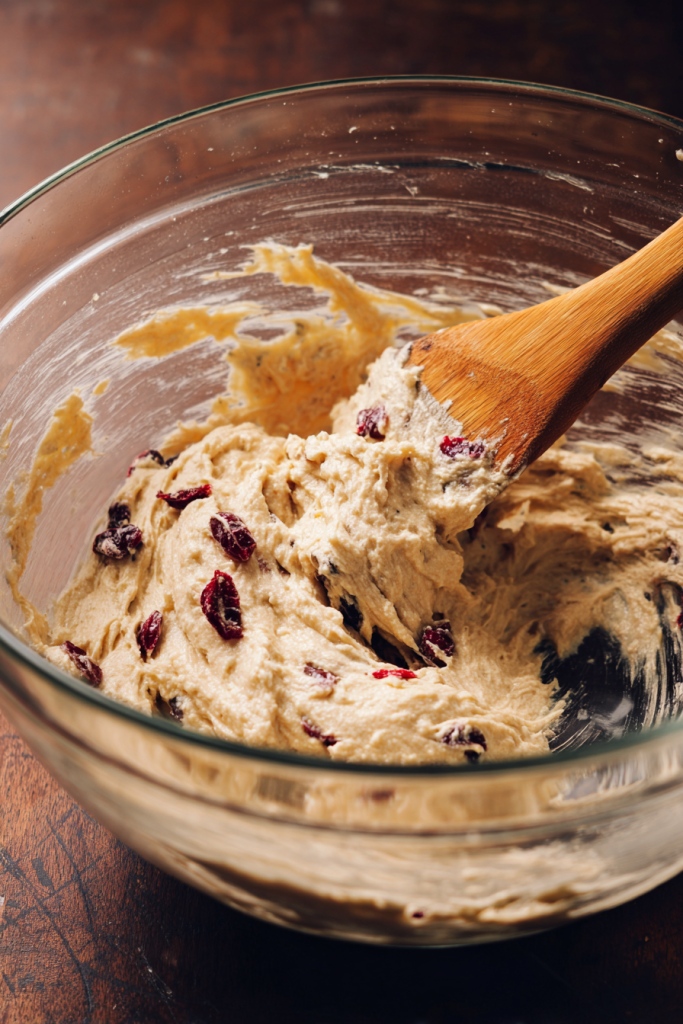
In a large bowl, cream the softened butter and granulated sugar together. Beat on medium-high speed for about two to three minutes.
The mixture won’t look completely smooth. That’s okay. You’re looking for it to become lighter in color and fluffy in texture.
Add the eggs next. One at a time.
Beat until each egg is fully incorporated before adding the next. Don’t rush this. The batter should look creamy and well-combined now.
The Alternating Technique
This technique keeps your batter perfectly textured. Ready?
Add half of your flour mixture to the butter mixture. Mix on low speed just until you can barely see the flour.
Pour in half of the milk mixture. Mix again until just combined.
Repeat with the remaining flour and milk.
Mix only until everything comes together. Here’s the thing about overmixing: it develops too much gluten. That makes your bread tough and chewy instead of tender.
A few small lumps are fine. They’ll bake out. Promise.
The Cranberry Secret
Take your rinsed and dried cranberries.
Toss them with that reserved ½ tablespoon of flour. This coating is crucial. It prevents the berries from all sinking to the bottom during baking.
Instead, they’ll stay suspended throughout your bread like little flavor bombs waiting to explode with tartness.
Fold the coated cranberries gently into your batter. Use a spatula. Fold with a light hand.
You want them evenly distributed but you don’t want to deflate all that beautiful air you’ve created in the batter.
Into the Oven
Spread the batter into your prepared pan.
It will be thick. That’s normal. Use your spatula to smooth the top. Slide the pan into your preheated oven.
Bake for 45 to 50 minutes.
You’re looking for a golden-brown top. But the real test? Insert a toothpick into the center. It should come out clean or with just a few moist crumbs.
Comes out wet with batter? Give it another five minutes and test again.
Important: Don’t open the oven door before 40 minutes. I know it’s tempting. But this prevents the bread from falling in the center.
When done, the top should spring back when lightly touched. Like a tiny, delicious trampoline.
Cooling Time
Let the bread rest in the pan for 10 to 15 minutes.
This brief cooling period helps it set up. Try to remove it too soon? It might break apart. And after all that work, nobody wants a broken loaf.
Run a butter knife around the edges to loosen the bread. Gently turn the pan over onto a wire rack.
The bread should release easily.
Let it cool completely before glazing. This is important. If the bread is warm, the glaze will melt and run off instead of setting properly. You’ll end up with a puddle of glaze around your bread instead of on top.
Making the Glaze
While your bread cools, make the glaze.
In a small bowl, combine:
- Powdered sugar
- Orange juice
- That reserved teaspoon of orange zest
Whisk until completely smooth.
The consistency should be pourable but not too thin. It should coat the back of a spoon.
Need it thinner? Add orange juice a few drops at a time.
Too thin? Whisk in more powdered sugar.
Once your bread is completely cool, drizzle the glaze over the top. Let it cascade down the sides naturally. So pretty.
The glaze will set within about 15 minutes, creating a beautiful, slightly firm coating.
Tips I’ve Learned the Hard Way
Temperature matters:
All your ingredients should be at room temperature. Cold ingredients don’t blend as smoothly. They can create a dense texture that’s more hockey puck than bread.
Don’t skip the flour coating:
This is my most important tip. Coating the cranberries prevents sinking and ensures beautiful slices. Every. Single. Time.
Butter and flour the pan well:
This prevents sticking. A stuck loaf is heartbreaking after all your work. Don’t risk it.
Test for doneness:
Ovens vary wildly. Start checking at 45 minutes, but don’t be surprised if yours needs the full 50. My old apartment oven took 55 minutes. My current one? Exactly 47.
How to Store This Bread
This bread stays moist for days. Which makes it perfect for gift-giving.
At room temperature: Wrap it loosely in plastic wrap. It will keep for up to three days.
Longer storage? Refrigerate it covered for up to one week.
Want to freeze it?
Cool the bread completely. Wrap tightly in plastic wrap, then place in a freezer bag. It freezes beautifully for up to three months.
Thaw overnight in the refrigerator, then bring to room temperature before serving.
Ways to Enjoy This Beauty
I’ve served this bread in countless ways. It’s always a hit.
For breakfast: Toast a slice and spread it with cream cheese. The tangy cream cheese complements the sweet glaze perfectly.
Afternoon treat: Serve it with hot tea. The citrus notes pair wonderfully with Earl Grey or chamomile.
Dessert: Warm a slice slightly and top with vanilla ice cream. Oh my goodness.
This bread makes an excellent gift during the holiday season too. Wrap cooled loaves in cellophane with a festive ribbon. Your friends and neighbors will be thrilled.
Ways to Mix It Up
Once you’ve mastered the basic recipe, experiment!
Add nuts: Fold in ½ cup of chopped pecans or walnuts for extra crunch. Add them with the cranberries.
Different citrus: Substitute lemon for orange. Use lemon zest and juice throughout. The flavor becomes brighter and more tart. Really refreshing.
Mini loaves: Divide the batter among three small loaf pans. Reduce baking time to 22 to 28 minutes. These make perfect individual gifts.
Your Questions Answered
Can I use frozen cranberries instead of fresh?
Absolutely!
Add frozen cranberries directly to the batter without thawing. Coat them in flour while still frozen.
You may need to add a few extra minutes to the baking time. The bread will be just as delicious. I use frozen cranberries all the time.
What if I don’t have fresh orange juice?
Fresh-squeezed orange juice tastes best. But bottled juice works in a pinch.
Choose one without added sugar or pulp. The flavor won’t be quite as vibrant, but your bread will still turn out well.
Why did my cranberries sink to the bottom?
This usually happens when you skip coating them in flour. The flour coating creates a light barrier that helps suspend the berries.
Also, make sure your batter is thick enough. A too-thin batter won’t support the berries. They’ll just sink like stones.
Can I reduce the sugar?
You can reduce the sugar slightly. But I don’t recommend going below ⅔ cup.
Here’s why: Cranberries are quite tart. The sugar balances that tartness. With less sugar, the bread may taste too sour. I learned this the hard way after several puckered faces from taste-testers.
How do I know when the bread is completely done?
Use the toothpick test. Insert it into the center of the loaf. It should come out clean or with just a few moist crumbs.
Also check these signs:
- Top should be golden brown
- Should spring back when lightly pressed
- If the toothpick comes out with wet batter, keep baking and check every five minutes
My Final Thoughts
This cranberry bread has become one of my most-requested recipes.
The combination of tart berries, sweet glaze, and bright orange flavor? Something truly special happens in that loaf pan.
Whether you’re baking for your family or preparing gifts, this bread delivers every time.
The recipe is forgiving and adaptable too. Once you’ve made it a few times, you’ll develop your own rhythm. You might prefer a thicker glaze. Or decide to add nuts. That’s the beauty of baking – you can make it your own.
I hope this bread brings as much joy to your kitchen as it has to mine.
There’s something wonderful about slicing into a homemade loaf and seeing those beautiful cranberries throughout. Like little ruby jewels.
Enjoy every delicious bite!
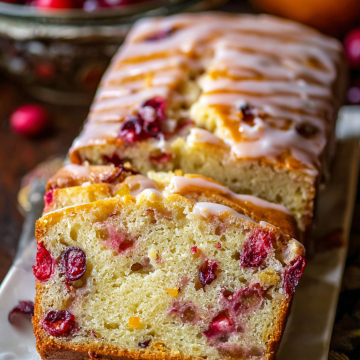
Cranberry Orange Bread
Ingredients
Bread
- 1 1/2 cups all-purpose flour plus 1/2 tablespoon for coating cranberries
- 1 tsp baking powder
- 1/4 tsp salt
- 1/4 cup milk room temperature
- 1 large orange for zest and juice
- 1/4 cup orange juice freshly squeezed
- 6 Tbsp unsalted butter softened to room temperature
- 3/4 cup granulated sugar
- 2 large eggs room temperature
- 1 1/2 cups fresh cranberries rinsed and dried
Orange Glaze
- 1 cup powdered sugar
- 1 1/2 Tbsp orange juice
- 1 tsp orange zest reserved from orange above
Instructions
- Preheat your oven to 350°F. Generously butter and flour an 8½ x 4½-inch loaf pan, tapping out excess flour.
- In a medium bowl, whisk together 1½ cups flour, baking powder, and salt. Set aside.
- In a measuring cup, combine milk, most of the orange zest (reserve 1 teaspoon for glaze), and ¼ cup orange juice. Stir and set aside.
- In a large bowl, cream the softened butter and granulated sugar together with an electric mixer on medium-high speed for 2-3 minutes until lighter in color and fluffy.
- Add eggs one at a time, beating until each is fully incorporated before adding the next.
- Add half of the flour mixture to the butter mixture and mix on low speed just until barely combined. Pour in half of the milk mixture and mix until just combined. Repeat with remaining flour and milk, mixing only until everything comes together.
- Toss the rinsed and dried cranberries with the reserved ½ tablespoon of flour to coat them. Gently fold the coated cranberries into the batter using a spatula until evenly distributed.
- Spread the batter into the prepared loaf pan and smooth the top. Bake for 45-50 minutes until golden brown and a toothpick inserted in the center comes out clean or with just a few moist crumbs.
- Let the bread rest in the pan for 10-15 minutes. Run a butter knife around the edges to loosen, then turn out onto a wire rack. Let cool completely before glazing.
- While bread cools, make the glaze by whisking together powdered sugar, 1½ tablespoons orange juice, and reserved 1 teaspoon orange zest until smooth. Adjust consistency with more juice or sugar as needed.
- Once bread is completely cool, drizzle the glaze over the top. Let set for 15 minutes before slicing.